Hot Coffee, Cold Ice Cream, and the Science of Why Your Teeth Flinch
Sensitivity Is Not a Personality Trait — It Is a Structural Signal
Approximately 40 million adults in the United States experience tooth sensitivity, according to the Academy of General Dentistry. Despite its prevalence, it remains widely misattributed. Patients often describe sensitive teeth as simply "weak" or assume the condition is permanent and unmanageable. Neither characterization is accurate. Sensitivity is, in most cases, a predictable physiological response to a specific structural vulnerability — and understanding that structure clarifies both why it happens and what can be done about it.
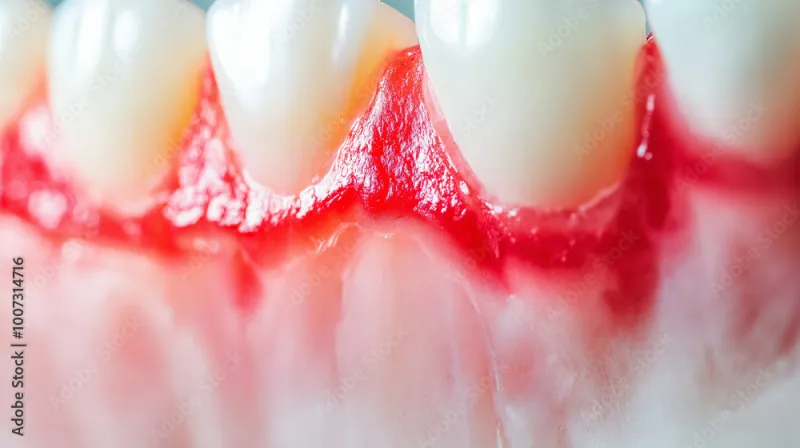
Each tooth is composed of several layers. The outermost layer, enamel, is the hardest substance the human body produces. Beneath it lies dentin, a porous material threaded with microscopic channels called dentinal tubules. These tubules extend inward toward the tooth's pulp, where the nerve tissue resides. When enamel is intact and the gumline is healthy, dentin remains protected and those tubules stay sealed. When that protection is compromised — through erosion, recession, or mechanical wear — the tubules become exposed, and the tooth becomes reactive.
The Hydrodynamic Theory: How Temperature Actually Triggers Pain
The most widely accepted explanation for thermal sensitivity is the hydrodynamic theory, first proposed by Brännström in the 1960s and supported by decades of subsequent research. According to this model, stimuli such as heat, cold, or pressure cause fluid within the dentinal tubules to shift. That fluid movement activates mechanoreceptors at the pulp boundary, which in turn fire pain signals through the trigeminal nerve — the primary sensory nerve of the face and oral cavity.
This is why the sensation from tooth sensitivity is so characteristically sharp and immediate. It is not a slow ache but an abrupt neurological response to rapid fluid displacement. Cold stimuli cause tubule fluid to contract and move outward; heat causes it to expand inward. Both movements, when the tubules are exposed and unobstructed, produce that distinctive flinching sensation.
Temperature: Why Your Morning Coffee and Afternoon Iced Tea Are Working Together Against You
Many patients notice that sensitivity worsens during certain seasons or periods of their routine — and there are physiological reasons for this pattern. During winter months, cold ambient air entering the mouth, combined with hot beverage consumption, creates repeated rapid thermal cycling. Each cycle — hot coffee followed by a breath of cold air, or an iced drink followed by a warm meal — subjects exposed dentin to the kind of fluid movement that activates nerve responses.
Carbonated beverages introduce an additional variable. Beyond their cold temperature, carbonated drinks — including sparkling water, which is often perceived as a neutral choice — are mildly acidic. Acid accelerates enamel erosion, which over time widens dentinal tubules and increases their permeability. Regular consumption of acidic beverages does not cause immediate sensitivity but creates cumulative structural vulnerability that makes future thermal triggers more intense.
Coffee presents a layered problem. It is hot, mildly acidic, and often consumed multiple times daily. Patients who drink several cups of coffee throughout the day may be subjecting their teeth to repeated cycles of thermal and chemical exposure that gradually compromise enamel integrity and heighten sensitivity over months or years.
Texture and Pressure: The Mechanical Dimension of Sensitivity
Sensitivity is not limited to temperature. Certain food textures trigger a pressure-based variant of the hydrodynamic response. Hard, crunchy foods — raw carrots, crusty bread, hard candies — generate localized pressure on individual teeth. If a tooth has a hairline crack, a compromised filling margin, or significant gum recession, that pressure can produce a sharp, localized response that patients often describe as different from temperature sensitivity but equally alarming.
Sweet foods represent yet another trigger mechanism. Sugary substances create an osmotic gradient at the tubule opening, drawing fluid outward and activating the same mechanoreceptor pathway as thermal stimuli. This explains why patients sometimes experience sensitivity from a bite of dessert even when the food is served at room temperature — the sweetness itself is the stimulus, not the temperature.
Eating Habit Modifications That Offer Genuine Relief
For patients experiencing mild to moderate sensitivity, targeted dietary adjustments can meaningfully reduce symptom frequency without requiring immediate clinical intervention. These modifications work best when sensitivity is diffuse — affecting multiple teeth — rather than concentrated in a single location.
Drinking acidic or carbonated beverages through a straw reduces direct tooth contact. Rinsing with plain water after acidic food or drink helps neutralize the oral environment. Waiting thirty minutes before brushing after consuming acidic foods allows saliva to begin remineralizing enamel that has been temporarily softened — brushing immediately can accelerate erosion. Incorporating dairy products, which are rich in calcium and phosphate, supports enamel remineralization over time.
Desensitizing toothpastes containing potassium nitrate or stannous fluoride can reduce sensitivity by either blocking tubule openings or calming nerve activity within the pulp. These products require consistent use over several weeks before measurable improvement is typically observed.
When Sensitivity Is Not Just Sensitivity
The clinical importance of tooth sensitivity lies in its dual nature: it can be a manageable chronic condition, or it can be an early warning sign of something that requires prompt professional attention.
Sensitivity that is localized to a single tooth, particularly if it is intensifying, persisting after the stimulus is removed, or accompanied by spontaneous pain, is not characteristic of simple dentin hypersensitivity. These patterns may indicate pulpitis — inflammation of the pulp — which can progress to irreversible damage without treatment. Sensitivity that develops suddenly in a tooth that was previously comfortable warrants evaluation, as it may reflect a new crack, a failing restoration, or early decay that has reached the dentin layer.
At Pennwell Dental Group, sensitivity evaluations go beyond recommending a different toothpaste. A thorough clinical assessment identifies whether the cause is structural, behavioral, or indicative of a developing condition — and the treatment plan reflects that distinction. Sensitivity is a message from your teeth. The question worth answering is exactly what they are trying to say.