How Your Fitness Routine May Be Working Against Your Teeth
America's fitness culture has never been more robust. From competitive cyclists and marathon runners to weekend recreational athletes and devoted gym members, millions of people invest significant time and energy into physical conditioning. The benefits of that commitment—cardiovascular health, weight management, mental well-being—are well documented. What receives far less attention is the other side of the equation: the ways in which certain training behaviors, dietary habits, and competitive patterns create measurable dental health risks.
This is not a reason to exercise less. It is a reason to exercise smarter—and to include your oral health in the conversation.
The Problem with What You Drink During Exercise
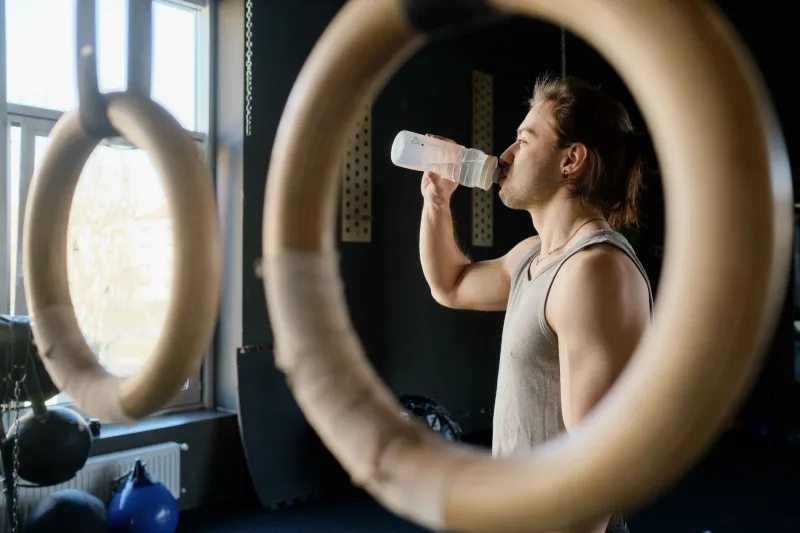
Hydration is non-negotiable during physical activity, and the beverage industry has built an enormous market around that need. Sports drinks, energy gels dissolved in water, electrolyte tablets, and pre-workout formulas are now staples in gym bags and race-day kits across the country. What many athletes do not realize is that the majority of these products are highly acidic and often contain significant amounts of sugar—a combination that is particularly damaging to tooth enamel.
The pH of a substance determines its erosive potential. Enamel begins to dissolve at a pH below 5.5. Many popular sports drinks register between 2.4 and 4.5. When these beverages are consumed repeatedly over the course of a long training session—sipped every fifteen to twenty minutes for an hour or more—the teeth are bathed in acid for extended periods. Saliva, which normally neutralizes acid and remineralizes enamel, cannot keep pace under these conditions.
Energy drinks compound this problem further. In addition to their acidity, they tend to contain caffeine, which has mild diuretic properties and can contribute to reduced salivary flow. Less saliva means less natural protection, which means more erosion over time.
The practical implication is not that athletes should abandon these products entirely, but that consumption patterns matter enormously. Sipping a sports drink continuously over ninety minutes is far more damaging than drinking the same volume in a few larger intervals. Rinsing with water after consuming acidic beverages, and waiting at least thirty minutes before brushing, can also reduce the erosive impact significantly.
Exercise-Induced Dry Mouth: An Underappreciated Risk
Intense physical exertion—particularly running, cycling, and high-intensity interval training—encourages mouth breathing. When breathing shifts from nasal to oral, salivary flow decreases and the oral environment becomes drier. This is more than a comfort issue. Saliva is the mouth's primary defense mechanism. It buffers acid, washes away food debris, delivers antimicrobial proteins, and supports the remineralization of enamel.
Athletes who train for extended periods in a mouth-breathing state are effectively reducing this protection for the duration of their session. Studies have found that endurance athletes tend to show higher rates of enamel erosion and dental caries than comparable non-athlete populations, even when controlling for sugar intake. The combination of acidic sports nutrition and exercise-induced dry mouth appears to be a significant contributing factor.
For patients who engage in prolonged aerobic activity, a few targeted strategies can help. Nasal breathing training—popularized in recent years through various athletic performance frameworks—can reduce mouth breathing during lower-intensity efforts. Staying well-hydrated with plain water before, during, and after exercise supports salivary flow. And for patients who train in the morning before eating, the protective effect of breakfast—which stimulates saliva production—is worth keeping in mind.
Jaw Clenching, Bruxism, and the Competitive Mindset
Competition and intense physical effort have something else in common with stress: they activate the same physiological pathways that drive teeth clenching and grinding. Many athletes clench their jaws forcefully during maximal effort—weightlifters, swimmers, cyclists, and contact sport athletes among them. This habitual clenching, when sustained over months and years of training, contributes to the same patterns of wear and temporomandibular joint strain seen in patients who grind their teeth at night.
For athletes who also experience nighttime bruxism—which is common in high-stress, high-achieving individuals—the cumulative load on the teeth and jaw can be substantial. Worn biting surfaces, chipped enamel, jaw soreness, and headaches are frequent complaints in this population, and they are often attributed to training volume rather than dental causes.
A custom-fitted mouthguard designed for athletic use can serve a dual purpose here: protecting the teeth from trauma in contact sports while also distributing bite forces more evenly during high-intensity effort. For patients who grind at night, a separate nightguard is typically recommended. These are not the same appliance, and understanding the distinction matters for both comfort and protection.
Trauma, Contact Sports, and the Case for Proper Protection
Dental trauma is among the most common sports-related injuries in the United States, affecting an estimated five million Americans annually according to dental injury data. A single collision, fall, or impact can fracture, displace, or avulse—fully knock out—a tooth in an instant. The consequences of that moment can last a lifetime.
Despite this, the use of mouthguards remains inconsistent, particularly at the recreational and adult amateur levels. Mandatory mouthguard policies in organized youth sports have helped reduce injury rates in those populations, but adult recreational athletes—who may participate in basketball, soccer, martial arts, cycling, or skiing—frequently train and compete without any dental protection.
Over-the-counter boil-and-bite guards offer a baseline level of protection and are far better than nothing. However, custom-fabricated athletic mouthguards, made from impressions taken at a dental office, provide superior fit, better retention, and more consistent shock absorption. For patients who play contact sports with any regularity, a custom guard is a worthwhile investment—particularly when the alternative is an emergency dental visit and a lifetime of restorative work.
Integrating Oral Health Into Your Wellness Plan
The athletes and fitness enthusiasts who tend to fare best dentally are those who apply the same systematic thinking to their oral health that they apply to their training. They track what they consume, they use appropriate protective equipment, and they maintain regular dental appointments—ideally twice per year—so that any emerging issues are identified before they become significant.
At Pennwell Dental Group, we work with active patients to develop oral health strategies that align with their training demands. Whether the concern is enamel erosion from sports nutrition, jaw pain related to clenching, or the need for a well-fitted athletic guard, our team is equipped to provide guidance that fits the reality of an active lifestyle.
Your fitness goals and your dental health are not in opposition. With the right knowledge and the right support, they can coexist—and reinforce each other—for years to come.