You Have Been Brushing Your Teeth Wrong Your Entire Life — Here Is How to Fix It
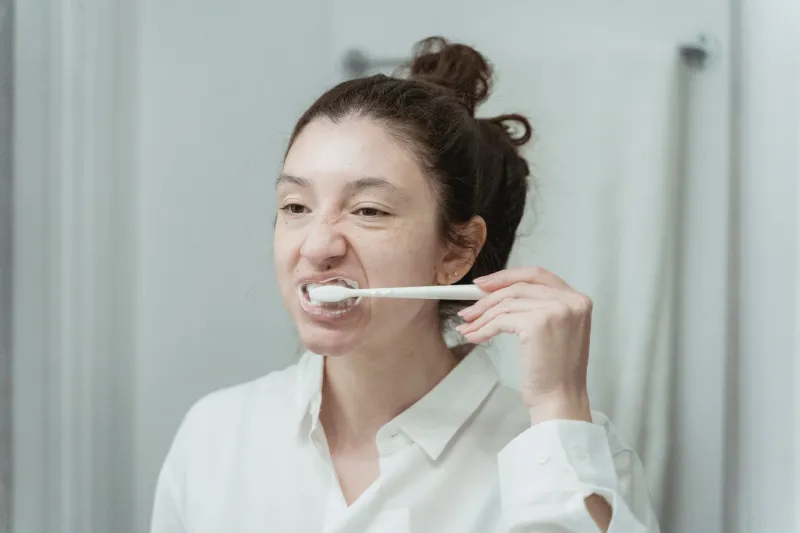
Brushing your teeth is one of the first habits you were ever taught. By adulthood, it feels so automatic that most people never stop to question whether they are actually doing it well. The toothbrush comes out, a few passes are made, and the job is considered done.
The problem is that familiarity and effectiveness are not the same thing. Research published in dental literature consistently shows that a significant majority of adults brush for less than the recommended two minutes, apply damaging levels of pressure, and miss entire regions of the mouth without realizing it. The consequences — tooth decay, receding gums, and periodontal disease — are among the most common and preventable conditions we treat at Pennwell Dental Group.
If you have ever left a dental cleaning and been told you have early gum inflammation or new cavities despite brushing every day, your technique may be the missing piece.
Why Two Minutes Is the Standard — and Why Most People Fall Short
The two-minute recommendation is not arbitrary. It is the minimum amount of time needed to mechanically disrupt the bacterial biofilm, known as plaque, that accumulates on all tooth surfaces throughout the day. Plaque is sticky, colorless, and remarkably resilient — a brief scrub simply does not remove it thoroughly enough.
Studies using timed observation have found that the average American brushes for somewhere between 45 and 70 seconds. That gap between perceived and actual brushing time is significant. Many people genuinely believe they are brushing for two full minutes when they are completing the task in roughly half that time.
A practical solution: use a timer. Whether it is the built-in timer on an electric toothbrush, a phone app, or simply the stopwatch function on your watch, measuring your brushing time for a week will likely surprise you. Divide that two minutes into quadrants — upper right, upper left, lower right, lower left — and spend approximately 30 seconds on each section.
The Gumline Is Where Most Brushing Falls Apart
When people think about brushing, they typically picture the visible, flat surfaces of their teeth. What receives far less attention is the gumline — the narrow margin where the tooth meets the gum tissue — and this is precisely where periodontal disease begins.
Bacteria accumulate in the shallow groove between the tooth and the gum, called the sulcus. If plaque is not cleared from this area consistently, it hardens into tartar and triggers an inflammatory response in the surrounding tissue. Over time, this leads to gingivitis and, if left unaddressed, periodontitis — a condition that can result in bone loss and tooth loss.
The correct approach involves angling the bristles at approximately 45 degrees toward the gumline, not perpendicular to the tooth surface. This allows the outer bristles to sweep gently beneath the gum margin while still cleaning the tooth face. Short, gentle, back-and-forth strokes — roughly the width of one tooth at a time — are far more effective than long, sweeping motions across multiple teeth.
Harder Is Not Better: The Case Against Aggressive Brushing
There is a widespread belief that brushing harder means brushing more thoroughly. In reality, excessive pressure is one of the most damaging brushing habits a person can develop.
The enamel on your teeth is the hardest substance your body produces, but the gum tissue and the root surfaces exposed by gum recession are considerably more vulnerable. Aggressive scrubbing wears away gum tissue over time, a condition called toothbrush abrasion. Once gum tissue recedes, it does not regenerate on its own, and exposed root surfaces are both more sensitive and more susceptible to decay.
The appropriate pressure is lighter than most people expect. If you press hard enough to splay the bristles of your brush outward within the first few weeks of use, you are brushing too aggressively. The bristles should maintain their shape with normal use. A soft-bristled brush is almost always the appropriate choice for adults — medium and hard bristle options offer no meaningful cleaning advantage and carry a higher risk of tissue damage.
Surfaces People Consistently Miss
Beyond the gumline, there are specific areas of the mouth that receive inadequate attention during the average brushing session.
The inner surfaces of the front teeth are among the most frequently neglected. Because these surfaces face the tongue rather than the lips, they are less visible and often skipped. To reach the inner surfaces of the upper and lower front teeth effectively, tilt the brush vertically and use the front portion of the brush head in a gentle up-and-down motion.
The chewing surfaces of the molars trap food and bacteria in deep grooves and pits. These areas require deliberate back-and-forth scrubbing with the brush held flat against the surface.
The tongue and the roof of the mouth harbor bacteria that contribute to both bad breath and overall oral bacterial load. A light brushing of the tongue — or the use of a dedicated tongue scraper — should be a standard part of every brushing session.
Choosing the Right Tools for the Job
The toothbrush itself matters, though perhaps not as much as technique. A soft-bristled brush with a head small enough to reach the back molars comfortably is the baseline recommendation. Electric toothbrushes with oscillating or sonic technology have demonstrated modest advantages in plaque removal in clinical studies, particularly for individuals with limited dexterity, but a manual brush used correctly remains highly effective.
Fluoride toothpaste is non-negotiable for most adults. Fluoride strengthens enamel and inhibits the acid-producing bacteria responsible for decay. The appropriate amount is roughly a pea-sized portion — not the generous ribbon depicted in most toothpaste advertisements.
After brushing, spit out the excess paste but avoid rinsing your mouth with water immediately. Allowing the residual fluoride to remain on the tooth surfaces for a few minutes after brushing extends its protective effect.
How Professional Cleanings Complete What Brushing Cannot
Even the most disciplined brushing routine has limits. Tartar — calcified plaque — cannot be removed by a toothbrush once it has hardened. It requires professional instruments and the trained eye of a dental hygienist or dentist to remove thoroughly, particularly in areas between the teeth and below the gumline.
Regular professional cleanings, typically recommended every six months for most patients, serve as both a corrective and preventive measure. They remove what brushing misses, allow for early detection of developing problems, and provide an opportunity to review and refine your home care technique.
At Pennwell Dental Group, our clinical team regularly reviews brushing technique with patients as part of routine care — not as a lecture, but as a practical conversation aimed at helping each individual get the most out of the time they are already investing in their oral health.
A Small Adjustment With a Significant Long-Term Payoff
The two-minute rule is not the problem. The gap between what most people believe they are doing and what they are actually doing is the problem. Adjusting your angle, softening your pressure, slowing down, and paying deliberate attention to the areas you typically rush through requires no special equipment and costs nothing.
What it does require is a willingness to revisit a habit you thought was settled. The reward — fewer cavities, healthier gums, and less time in the dental chair addressing preventable problems — is considerable. The foundation of exceptional oral health is built one brushing session at a time.