Dentistry on Your Schedule: Why a Short Window Is All You May Need
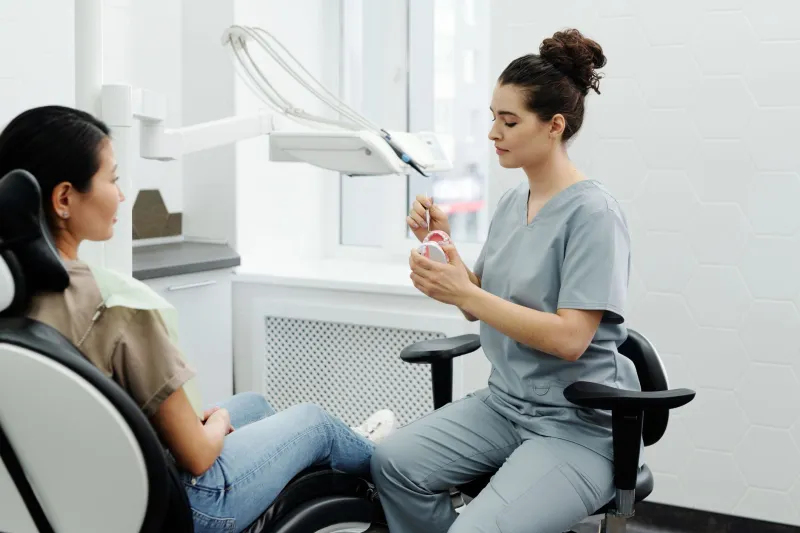
For many working Americans, the dental office exists somewhere on a mental list alongside the DMV and the accountant — important, inevitable, and perpetually postponed. The reasoning is familiar: there is simply no good time. Between meetings, school pickups, deadlines, and the general pace of modern life, surrendering a half-day to a dental appointment feels like a luxury few can afford.
But that reasoning is increasingly out of date. The dental profession has undergone significant operational and technological changes over the past decade, and the result is a care experience that looks very different from the one many patients remember. Procedures that once required multiple lengthy appointments can now be completed in a single visit. Scheduling systems have become more flexible. And a growing number of treatments fit comfortably within the span of a standard lunch break.
If a busy schedule has been your reason for delaying care, it is worth revisiting that assumption.
What Has Actually Changed in the Dental Office
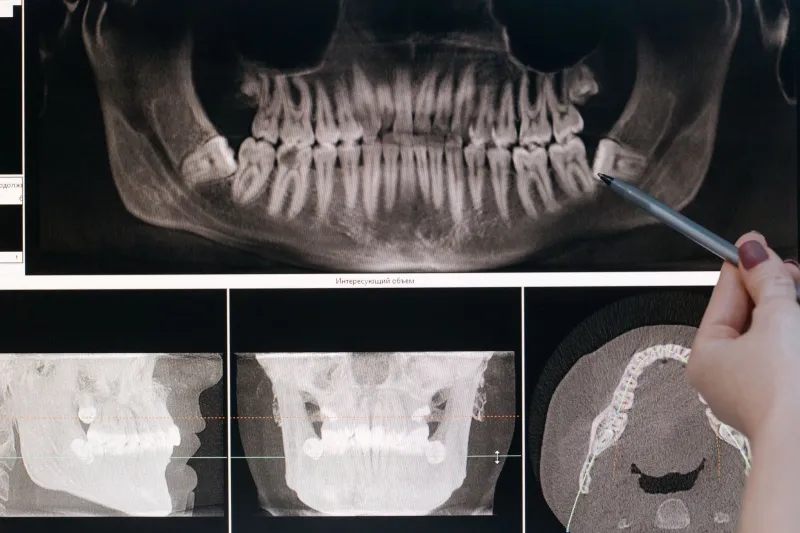
The most meaningful shift has been the adoption of digital technology at nearly every stage of the care process. Digital X-rays, for example, produce images in seconds rather than minutes and eliminate the wait time associated with traditional film development. Intraoral cameras allow dentists to assess conditions quickly and communicate findings to patients without extended examination periods.
CAD/CAM technology — the system behind same-day crowns — has arguably had the greatest impact on appointment efficiency. Where a crown once required two separate visits, a waiting period of two or more weeks, and a temporary restoration in between, many practices can now design, mill, and place a permanent ceramic crown in a single appointment lasting roughly 90 minutes to two hours. That is a meaningful reduction from what was previously a multi-week process.
Laser dentistry has similarly compressed procedure times for soft tissue treatments, certain cavity preparations, and gum-related work, often reducing both the duration of the appointment and the recovery period that follows.
Procedures That Realistically Fit a Short Visit
Not every dental treatment can be completed in 45 minutes, and it would be misleading to suggest otherwise. But a substantial number of common procedures can be scheduled and completed within the kind of window a working professional might carve out of a Tuesday afternoon.
Routine cleanings and examinations remain among the most time-efficient appointments in dentistry. For patients who maintain regular care, a cleaning and checkup typically runs between 45 and 60 minutes — well within the range of a lunch break for most people.
Dental fillings for minor to moderate cavities are generally completed in a single appointment lasting 30 to 60 minutes, depending on the location and extent of the decay. Modern composite materials bond quickly, and patients can return to normal activity immediately afterward.
Professional teeth whitening in-office treatments typically take about an hour from start to finish. For patients who have been considering a cosmetic refresh, this is one of the more accessible entry points — both in terms of time and overall treatment simplicity.
Dental bonding for minor chips, gaps, or surface imperfections can often be completed in one appointment of 30 to 60 minutes per tooth. There is no waiting period, no laboratory involvement, and no temporary restoration to manage.
Consultations and treatment planning appointments, which some patients overlook entirely, are also brief. Coming in for a focused conversation about a specific concern — a sensitive tooth, a question about orthodontic options, or a discussion about an existing restoration — generally takes under an hour and can prevent larger problems from developing unaddressed.
How to Make the Most of a Limited Appointment Window
There are practical steps patients can take to ensure a short appointment stays short.
Complete paperwork in advance. Most dental offices now offer digital intake forms that can be filled out before you arrive. Arriving and spending the first 15 minutes on a clipboard is an avoidable inefficiency.
Be specific when you call to schedule. If you are working with a time constraint, say so. Letting the scheduling team know that you have a 60-minute window allows them to book you for an appointment that genuinely fits, rather than placing you in a slot designed for a more comprehensive visit.
Stay current with your preventive care. Patients who attend regular cleanings and checkups tend to have shorter, simpler appointments because issues are caught early and treated before they require extensive intervention. The patient who comes in once every three years for the first time in a while should expect a longer visit. The patient who comes in twice a year should not.
Ask about same-day services. If you are in need of a crown, an extraction consultation, or another procedure that might traditionally require multiple visits, ask your dental team whether same-day options are available. Not every practice offers every technology, but many do, and it is worth the question.
The Cost of Continued Delay
It is also worth acknowledging what happens when scheduling concerns become a long-term reason to avoid care altogether. Dental conditions do not pause while life gets busy. A small cavity left unaddressed becomes a larger one. Gum disease in its early stages — when it is entirely reversible — advances into a chronic condition requiring more intensive, time-consuming treatment. A tooth that could have been saved with a filling may eventually require extraction and replacement.
The irony is that the appointments people avoid in order to save time often result in procedures that take considerably longer and cost considerably more. Investing 45 minutes twice a year is a straightforward way to avoid investing several hours — and several hundred or several thousand dollars — later.
Dental Care That Works Around You
At Pennwell Dental Group, we recognize that our patients lead full lives. Our scheduling approach is designed to respect your time while ensuring you receive the thorough, attentive care your oral health deserves. Whether you need a quick cleaning between obligations or a same-day restorative procedure, our team works with you to identify appointment options that fit your reality — not a version of your schedule that does not exist.
Healthy teeth and gums do not require you to put your life on hold. They require consistency, attention, and a dental team willing to make access as straightforward as possible. If you have been waiting for a convenient time to schedule, that time may be closer than you think.