Brighter Isn't Always Better: A Dentist's Honest Guide to Teeth Whitening
Brighter Isn't Always Better: A Dentist's Honest Guide to Teeth Whitening
A bright, white smile is one of the most sought-after cosmetic goals in American dentistry. Walk down any pharmacy aisle, scroll through social media for thirty seconds, or open a streaming app, and the message is relentless: whiter teeth are achievable, affordable, and just a product purchase away. What those advertisements rarely mention is that not all whitening approaches are created equal — and some can leave your teeth worse off than before you started.
At Pennwell Dental Group, we believe that informed patients make better decisions. That starts with understanding what tooth discoloration actually is, why it happens, and which solutions genuinely address it.
Why Teeth Lose Their Brightness in the First Place
Tooth discoloration falls into two distinct categories, and the distinction matters enormously when selecting a treatment.
Extrinsic staining occurs on the outer surface of the enamel. Coffee, tea, red wine, tobacco, and deeply pigmented foods are the most common culprits. Because these stains sit on or just within the enamel surface, they are generally responsive to whitening agents.
Intrinsic discoloration, on the other hand, originates from within the tooth structure itself. This type can result from trauma to a tooth, certain medications (particularly tetracycline antibiotics taken during childhood), excessive fluoride exposure during tooth development, or simply the natural aging process — which causes enamel to thin and the yellowish dentin beneath to show through more prominently.
This is a critical distinction. Many whitening products are formulated to address extrinsic staining only. Applying them repeatedly to teeth affected by intrinsic discoloration will not produce meaningful results, and the frustration of chasing an outcome that a product was never designed to deliver is one of the most common complaints dentists hear from patients.
Over-the-Counter Options: What They Can and Cannot Do
The whitening products lining drugstore shelves — strips, toothpastes, rinses, and tray kits — are regulated by the FDA and generally considered safe when used as directed. However, several important limitations apply.
Most over-the-counter whitening strips contain hydrogen peroxide or carbamide peroxide at relatively low concentrations, typically between three and ten percent. Professional in-office treatments use concentrations that can reach thirty-five to forty percent, which is why the results are not comparable. Consumer products can produce modest improvements in surface staining over several weeks, but they are unlikely to achieve the degree of whitening that many users expect based on packaging imagery.
Whitening toothpastes deserve particular scrutiny. Many achieve their effect not through chemical bleaching but through mild abrasives that physically polish away surface stains. While this can be effective for light staining, frequent use of highly abrasive formulas may gradually wear down enamel — the very structure that gives teeth their strength and protects against sensitivity.
The Trends That Concern Dental Professionals
Social media has popularized a range of DIY whitening methods that have given many dentists pause. Two in particular warrant direct attention.
Activated charcoal powders and pastes have been marketed aggressively as natural, detoxifying alternatives to conventional whitening products. The premise sounds appealing, but the science does not support the enthusiasm. Charcoal is highly abrasive. Repeated use can erode enamel, and once enamel is lost, it does not regenerate. The American Dental Association has not approved any charcoal-based dental product for whitening, citing insufficient evidence of safety and efficacy. Some studies have raised concerns that charcoal's coarse texture may contribute to long-term sensitivity and structural damage.
At-home LED whitening kits represent another category that merits careful evaluation. The blue light component in these devices is marketed as an accelerant for the whitening gel. Clinical evidence supporting the effectiveness of consumer-grade LED lights — as opposed to the high-intensity professional lamps used in dental offices — remains limited. More importantly, ill-fitting trays can cause the whitening gel to contact gum tissue, leading to irritation, chemical burns, or uneven results.
Acidic DIY hacks, including rubbing lemon juice, apple cider vinegar, or strawberry pulp on teeth, circulate persistently online. All of these substances are acidic and will soften enamel with repeated exposure. Any temporary brightening effect is likely the result of acid erosion removing the outermost layer of enamel — a trade-off no dental professional would recommend.
Professional Whitening: What Sets It Apart
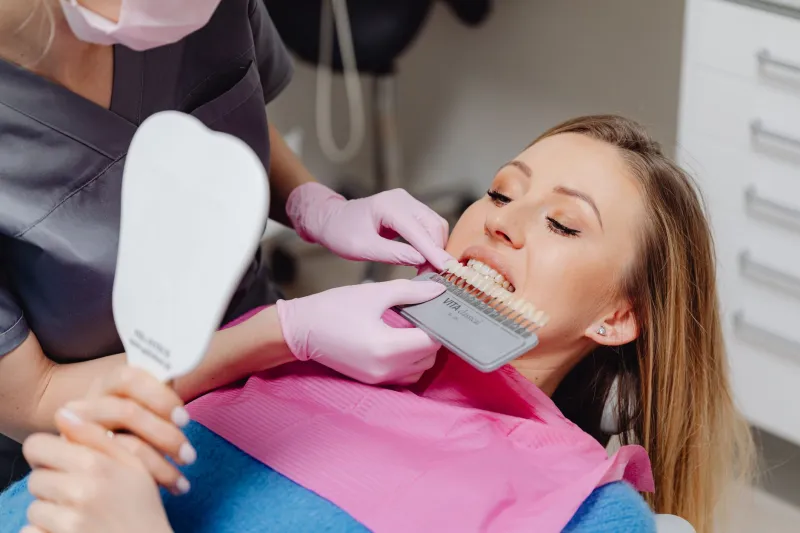
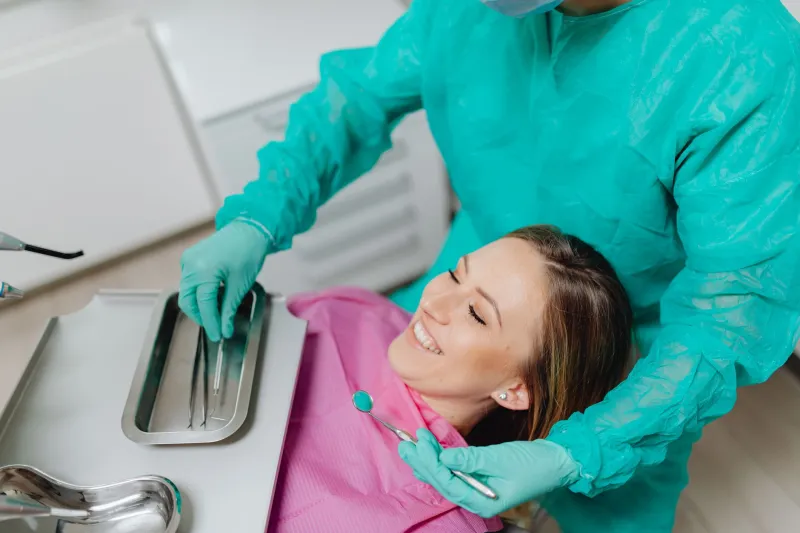
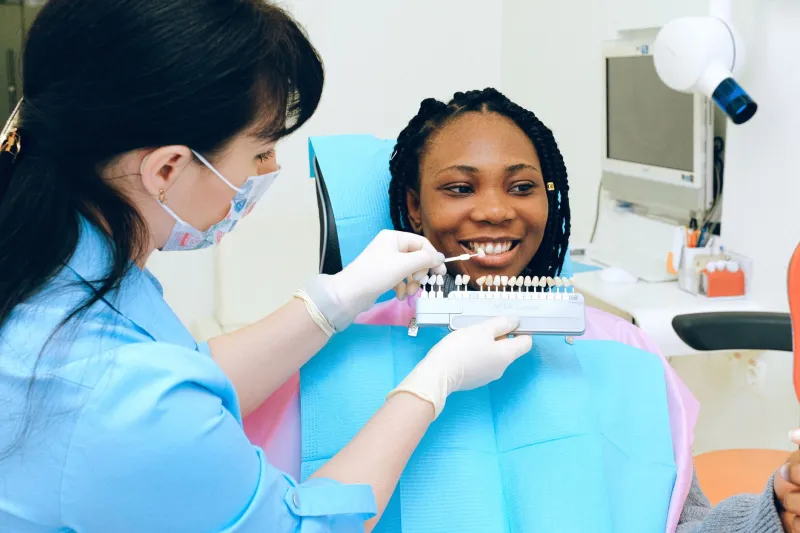
In-office whitening treatments administered by a dental professional offer advantages that no over-the-counter product can replicate. Before any whitening procedure begins, a dentist evaluates the underlying cause of discoloration, identifies whether the patient is a suitable candidate, and checks for conditions — such as cracked enamel, exposed roots, or untreated decay — that would make whitening inadvisable until those issues are resolved.
Professional treatments use higher-concentration bleaching agents applied under controlled conditions, with protective measures in place for the gums and surrounding soft tissue. The results are typically more dramatic, achieved in a single visit, and can be maintained with periodic touch-up treatments.
For patients whose discoloration is intrinsic and does not respond to bleaching, a dentist can discuss alternative cosmetic solutions such as porcelain veneers or composite bonding — treatments that address the appearance of the tooth rather than attempting to chemically alter a stain that bleach cannot reach.
Sensitivity: A Common Side Effect Worth Addressing
Tooth sensitivity during or after whitening is the most frequently reported side effect, affecting a significant portion of users. This occurs because peroxide compounds temporarily increase the permeability of enamel, allowing thermal and chemical stimuli to reach the nerve more easily.
For most people, sensitivity following professional whitening is temporary and resolves within a day or two. Dentists can recommend desensitizing agents before or after treatment to minimize discomfort. Those who experience chronic sensitivity, however, may have underlying enamel erosion or gum recession that should be evaluated before any whitening treatment is attempted.
Self-administered products carry a higher risk of sensitivity issues, partly because users may apply them more frequently than directed in hopes of faster results — a pattern that compounds rather than resolves the problem.
Making a Decision You Won't Regret
The desire for a whiter smile is entirely understandable, and in many cases, safe and effective options exist to achieve it. The key is approaching whitening with realistic expectations and accurate information rather than responding to marketing that overstates what a product can deliver.
If you are considering any whitening treatment — whether a product from the pharmacy or a professional procedure — the most valuable first step is a conversation with your dentist. That conversation will clarify what type of discoloration you have, which approaches are appropriate for your specific situation, and how to pursue a brighter smile without compromising the long-term health of your teeth.
At Pennwell Dental Group, our approach to cosmetic dentistry begins with that conversation. A smile worth having is one that is not only beautiful but also healthy — and those two goals should never be in conflict.