Clenching Under Pressure: The Hidden Toll Stress Is Taking on Your Teeth

America is under pressure — and the evidence is showing up in its teeth.
Across the country, dental professionals have observed a notable rise in patients presenting with worn enamel, cracked cusps, jaw soreness, and persistent headaches. In many of these cases, the underlying cause is the same: bruxism, the habitual grinding or clenching of teeth that most people do unconsciously, often while asleep. What makes this condition particularly insidious is not its severity in any single moment, but the quiet, compounding damage it inflicts over months and years — long before a patient ever connects their symptoms to their dental health.
At Pennwell Dental Group, we see the consequences of unaddressed bruxism regularly. The good news is that with early recognition and appropriate intervention, much of that damage is preventable.
Why Bruxism Is on the Rise
Teeth grinding is not a new phenomenon, but the conditions driving it have intensified considerably in recent years. Chronic stress — whether rooted in financial uncertainty, professional demands, or the relentless pace of modern life — is one of the primary triggers. The body's response to sustained stress often manifests physically, and the jaw is a common site for that tension to accumulate.
Beyond stress, several other lifestyle patterns are contributing to the increase. Disrupted sleep, which affects a substantial portion of the adult American population, is closely associated with sleep bruxism — grinding that occurs during the night without the sufferer's awareness. The widespread use of screens late into the evening further compounds sleep disruption, creating a cycle that keeps the nervous system activated when it should be winding down. Caffeine consumption, alcohol use, and certain medications have also been identified as contributing factors.
The result is a population that is simultaneously more stressed, sleeping worse, and grinding more — often with no idea it is happening.
The Warning Signs Most People Overlook
Because bruxism typically occurs during sleep, patients frequently dismiss or misattribute its symptoms. A dull headache upon waking may be chalked up to poor sleep quality. Jaw soreness in the morning might be attributed to sleeping in an awkward position. Tooth sensitivity is often assumed to be caused by diet or aging.
In reality, these are among the earliest and most consistent indicators that bruxism may be at work. Other signs worth noting include:
- Flattened, chipped, or worn tooth surfaces, particularly on the back molars
- Increased tooth sensitivity, especially to temperature changes
- Tightness or fatigue in the jaw muscles, particularly upon waking
- Earaches or facial pain that have no apparent ear-related cause
- Indentations along the sides of the tongue, which can indicate clenching pressure
- Disrupted sleep reported by a partner, who may hear grinding sounds during the night
Many patients only discover they grind their teeth when a dentist identifies the wear patterns during a routine examination. This is one of the most compelling reasons why consistent dental checkups matter — a trained clinician can detect evidence of bruxism that a patient would never notice on their own.
The Long-Term Structural Consequences
Left unaddressed, bruxism does not simply cause discomfort. It causes measurable, progressive damage to the teeth and jaw structures that grows more complex — and more expensive to address — with time.
The enamel that protects each tooth is finite. Unlike bone, it does not regenerate. Once grinding wears it away, the underlying dentin becomes exposed, making teeth more vulnerable to decay, fracture, and sensitivity. Over time, teeth may shorten visibly, altering the overall bite and facial appearance. In severe cases, the roots themselves can be affected.
Bruxism also places extraordinary stress on the temporomandibular joints — the hinges that connect the jaw to the skull. Chronic clenching and grinding can contribute to temporomandibular joint disorder (TMD), a condition that causes jaw pain, clicking or locking of the joint, and difficulty chewing. Treating TMD is significantly more involved than treating early-stage bruxism.
The financial dimension is equally significant. Worn or cracked teeth often require crowns, veneers, or other restorative procedures to repair. When multiple teeth are affected, the cost of rehabilitation can reach thousands of dollars — a figure that dwarfs the cost of a custom night guard that might have prevented the damage in the first place.
Modern Treatment Options: More Than Just a Mouth Guard
For many years, the standard recommendation for bruxism was a simple over-the-counter bite guard from the pharmacy. While these products offer some protection, they are not fabricated to fit the individual patient's bite and may not provide the level of precision needed for effective long-term management.
Today, dental practices offer a broader and more sophisticated range of solutions.
Custom Occlusal Night Guards A professionally fabricated night guard is designed using impressions of the patient's teeth, ensuring a precise fit that distributes bite forces evenly and protects enamel from further wear. These devices are more durable and effective than their over-the-counter counterparts and represent one of the most practical first-line interventions for sleep bruxism.
Occlusal Adjustment In some cases, an uneven bite contributes to clenching behavior. A dentist may recommend carefully reshaping specific tooth surfaces to improve bite alignment and reduce the muscular strain that drives grinding.
Botulinum Toxin (Botox) Injections for Jaw Tension One of the more notable advances in bruxism management involves the use of botulinum toxin injections into the masseter muscles — the large muscles responsible for chewing. When administered by a trained dental professional, these injections temporarily reduce the force of muscle contractions, providing meaningful relief from jaw tension and associated headaches. The treatment is not permanent, requiring periodic maintenance, but many patients find it highly effective, particularly when combined with a night guard.
Stress Management and Behavioral Approaches Because stress is so central to bruxism in many patients, addressing the root cause matters. Dentists may recommend working alongside mental health professionals, exploring biofeedback therapy, or incorporating mindfulness practices that help reduce jaw tension during waking hours.
Restorative Care for Existing Damage For patients who present with significant wear, the priority shifts to halting further damage while repairing what has already been lost. This may involve crowns, bonding, or comprehensive bite reconstruction, depending on the extent of the damage.
Why Early Intervention Changes Everything
The trajectory of bruxism is rarely dramatic in the short term. It is a condition that earns its consequences gradually, which is precisely why so many patients delay seeking care — or never connect their symptoms to their teeth at all.
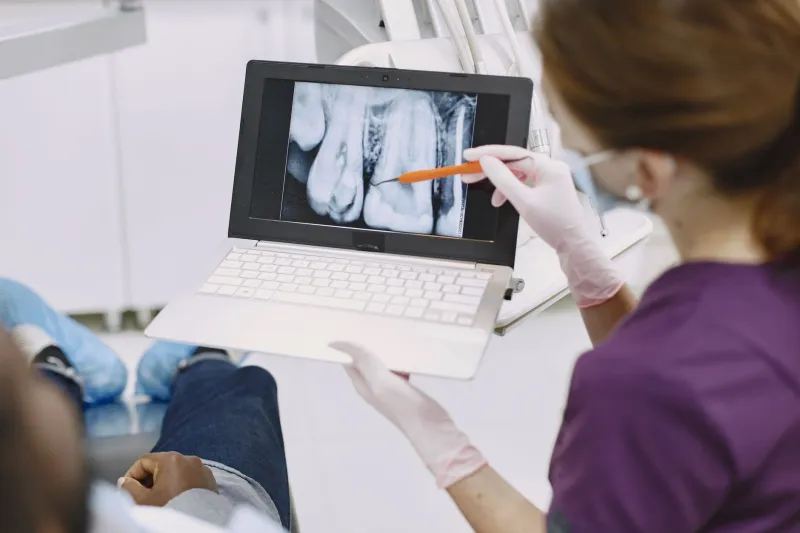
Routine dental examinations provide an essential checkpoint. A thorough clinical assessment allows our team to identify early wear patterns, evaluate jaw function, and initiate a protective plan before the damage becomes extensive. When bruxism is caught early, treatment is straightforward, affordable, and highly effective.
If you have been waking with jaw discomfort, unexplained headaches, or increasing tooth sensitivity, these are not symptoms to wait out. They are signals worth investigating. At Pennwell Dental Group, we are committed to helping patients understand what their bodies are communicating — and providing the care necessary to protect their smiles for the long term.
Your teeth are meant to last a lifetime. Stress does not have to shorten that timeline.