Fear Shouldn't Be the Reason You Skip the Dentist: A Clear Guide to Today's Sedation Options
When Fear Becomes a Health Problem
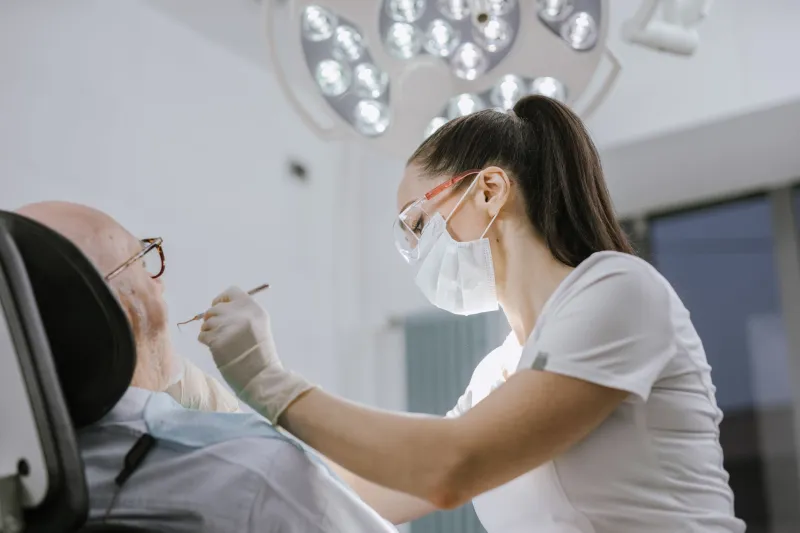
For some people, the sound of a dental drill is merely unpleasant. For others, it triggers a level of dread significant enough to keep them out of the dentist's chair for years at a time. The American Dental Association has long recognized dental anxiety as one of the most common barriers to consistent oral healthcare in the United States, with estimates suggesting that somewhere between 30 and 40 million Americans avoid dental visits specifically because of fear.
The consequences extend well beyond surface-level discomfort. A cavity left untreated becomes a root canal. A gum infection that might have been managed with a professional cleaning can progress to periodontitis, a condition now linked to systemic health concerns including cardiovascular disease and diabetes complications. The irony is a painful one: the very anxiety meant to protect a person from an uncomfortable experience often guarantees a far more involved — and expensive — procedure down the road.
The good news is that modern dentistry has responded directly to this challenge. Sedation options available today are more refined, more accessible, and more carefully tailored to individual patient needs than ever before. If anxiety has kept you from scheduling an appointment, what follows may change the calculus entirely.
What Sedation Dentistry Actually Means
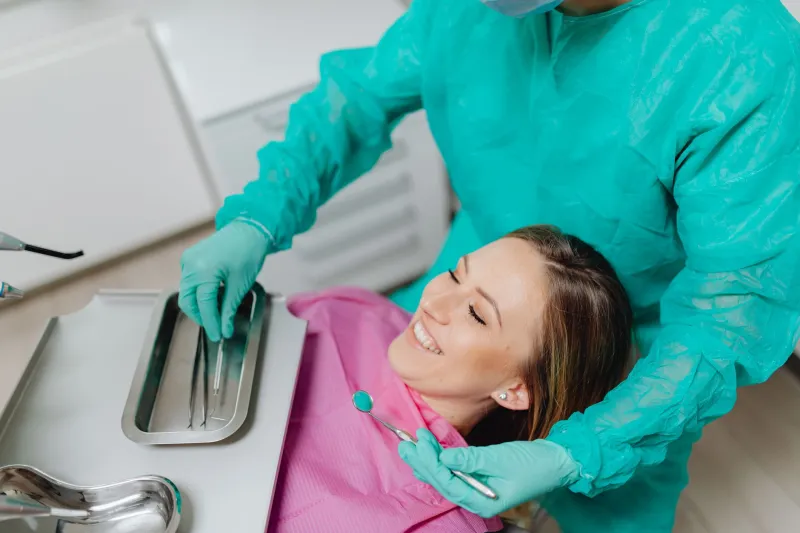
Sedation dentistry is a broad term that encompasses several distinct approaches, each appropriate for different levels of anxiety and different types of procedures. It is worth clarifying upfront that sedation is not the same as general anesthesia in most dental contexts. The majority of sedation techniques allow patients to remain conscious and responsive throughout their appointment — simply in a far more relaxed state.
Your dentist will consider several factors when recommending an approach: the nature of the procedure, your medical history, the severity of your anxiety, and any medications you currently take. An open, honest conversation about all of these elements is essential.
Nitrous Oxide: The Gentlest Starting Point
Commonly referred to as laughing gas, nitrous oxide has been used in dental settings for well over a century — and it remains one of the most widely used sedation methods in American dental practices today, for good reason.
Administered through a small mask placed over the nose, nitrous oxide produces a mild euphoric sensation and a general sense of calm within minutes. Patients remain fully awake, can respond to their dentist's instructions, and typically feel little anxiety about the procedure as it unfolds. The effect wears off quickly after the mask is removed — most patients can drive themselves home afterward, which is not the case with stronger sedation options.
Nitrous oxide is particularly well-suited for patients with mild to moderate anxiety, for children undergoing their first more involved procedures, or for anyone who simply needs to take the edge off without significant sedation. It is also one of the most affordable options, and many dental insurance plans offer at least partial coverage for its use.
Oral Conscious Sedation: A Deeper Level of Calm
For patients whose anxiety runs deeper, oral conscious sedation represents a meaningful step up. In this approach, your dentist prescribes a sedative medication — most commonly from the benzodiazepine family, such as triazolam or diazepam — to be taken by mouth approximately one hour before the appointment.
By the time you arrive at the office, the medication has already begun to take effect. Most patients describe the experience as feeling drowsy, deeply relaxed, and largely unconcerned with what is happening around them. You remain technically conscious and able to respond if your dentist speaks to you, but the procedural details rarely register in any distressing way. Many patients have little memory of the appointment afterward.
Because the sedative effect is more pronounced, oral conscious sedation requires that a trusted adult accompany the patient to and from the appointment. It is not appropriate for individuals with certain medical conditions or those taking medications that interact with benzodiazepines, which is why a thorough health review is always conducted beforehand.
This option is frequently recommended for patients with moderate to severe dental anxiety, those undergoing longer procedures, or individuals with a heightened gag reflex that makes treatment difficult.
IV Sedation and General Anesthesia: When More Is Necessary
A smaller subset of patients — those with extreme dental phobia, significant special healthcare needs, or those undergoing extensive oral surgery — may be candidates for intravenous sedation or full general anesthesia. These approaches are typically administered by an anesthesiologist or a dentist with advanced sedation training, and they produce a much deeper state of unconsciousness or near-unconsciousness.
While these options are not routine for standard dental care, they represent an important resource for patients who genuinely cannot receive necessary treatment through other means. If you believe your anxiety falls into this category, it is a conversation worth having with your dental provider directly.
Having the Conversation With Your Dentist
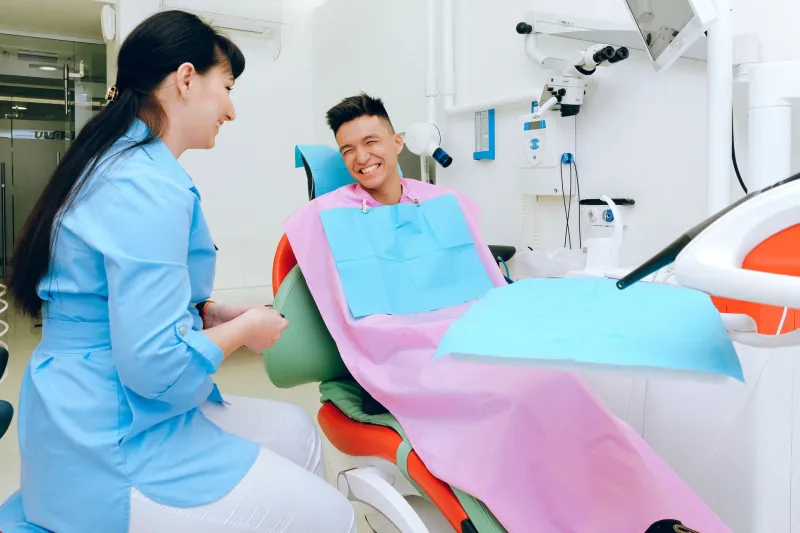
One of the most consistent obstacles anxious patients face is the reluctance to disclose the true extent of their fear. Many people minimize their anxiety out of embarrassment or a concern that they will be dismissed. At Pennwell Dental Group, we want to be direct: there is no level of dental anxiety that is considered unusual or unreasonable in a clinical context. Dental professionals are trained to work with anxious patients, and that process begins with an honest exchange.
 Photo: Pennwell Dental Group, via m.media-amazon.com
When you speak with your dentist about sedation, consider sharing the following:
- What specifically triggers your anxiety. Is it the needle used for local anesthesia? The sounds and sensations of drilling? A previous negative experience? The more specific you can be, the more targeted the solution.
- Your full medication list and health history. Certain conditions and drug interactions affect which sedation options are safe for you.
- Your goals for the appointment. Whether you need a single filling or a more comprehensive treatment plan, knowing the scope helps your dentist recommend the most appropriate approach.
Sedation Is a Tool, Not a Shortcut
It is worth addressing a common misconception: sedation dentistry is not about avoiding the realities of dental care. Local anesthesia is still used to ensure you feel no pain during procedures. Your dentist is still performing precise clinical work. Sedation simply removes the psychological barrier that prevents many patients from receiving care they genuinely need.
For millions of Americans, that distinction is life-changing. Patients who once postponed treatment for a decade are completing comprehensive care in a single appointment cycle. People who dreaded every visit are returning on schedule for their preventive cleanings. The relationship between patient and provider — so essential to long-term oral health — becomes something that can actually function.
Your Comfort Is Part of Your Care
At Pennwell Dental Group, we believe that exceptional dental care encompasses not only clinical outcomes but the experience of receiving that care. A healthy smile cannot be built on appointments that never happen. If fear has been standing between you and consistent oral healthcare, we encourage you to reach out and begin the conversation. The options available today are designed precisely for patients like you — and you deserve access to every one of them.