Before the First Tooth Falls Out: Why Early Dental Visits Set the Foundation for a Lifetime of Healthy Smiles
For many new parents in the United States, scheduling a dental appointment for a one-year-old feels counterintuitive. After all, how much dental work could a baby possibly need? The answer may surprise you — and understanding it could spare your child years of discomfort, anxiety, and expensive treatment down the road.
At Pennwell Dental Group, we believe that exceptional care begins early. A child's oral health journey doesn't start when their permanent teeth arrive; it begins the moment that very first tooth breaks through the gumline. That milestone, for most infants, occurs somewhere between six and twelve months of age — and it marks the ideal time to establish a relationship with a dental provider.
 Photo: Pennwell Dental Group, via usercontent.one
What the Experts Recommend — and Why It Matters
The American Academy of Pediatric Dentistry (AAPD) has long maintained a clear standard: children should receive their first dental examination no later than their first birthday, or within six months of the eruption of their first tooth. This recommendation is not arbitrary. It is grounded in decades of research demonstrating that early intervention dramatically reduces the risk of childhood tooth decay, misalignment, and other developmental concerns.
 Photo: American Academy of Pediatric Dentistry, via static.vecteezy.com
Despite this guidance, a significant number of American families delay their child's first dental visit until age three or later — sometimes waiting until a visible problem, like pain or discoloration, prompts an urgent appointment. By that point, conditions that were entirely preventable may already require more involved treatment.
The good news is that an early visit is rarely a stressful event for the child. In fact, it is designed to be quite the opposite.
What Actually Happens During a First Pediatric Dental Visit
Parents who have never brought a young child to the dentist often imagine the experience mirroring their own adult appointments. In reality, a first visit for an infant or toddler is far gentler and more conversational in nature.
During these early appointments, the dentist will typically:
- Examine existing teeth and gum tissue for signs of early decay, abnormal development, or irritation
- Assess jaw alignment and bite patterns to identify any structural concerns that may benefit from early monitoring
- Review the child's feeding habits, including breastfeeding, bottle use, and the introduction of solid foods, since prolonged bottle use — particularly at bedtime — is a leading contributor to early childhood cavities
- Evaluate oral habits such as pacifier use or thumb-sucking, which can influence how teeth and the jaw develop over time
- Provide guidance on teething, fluoride needs, and age-appropriate oral hygiene techniques for parents to practice at home
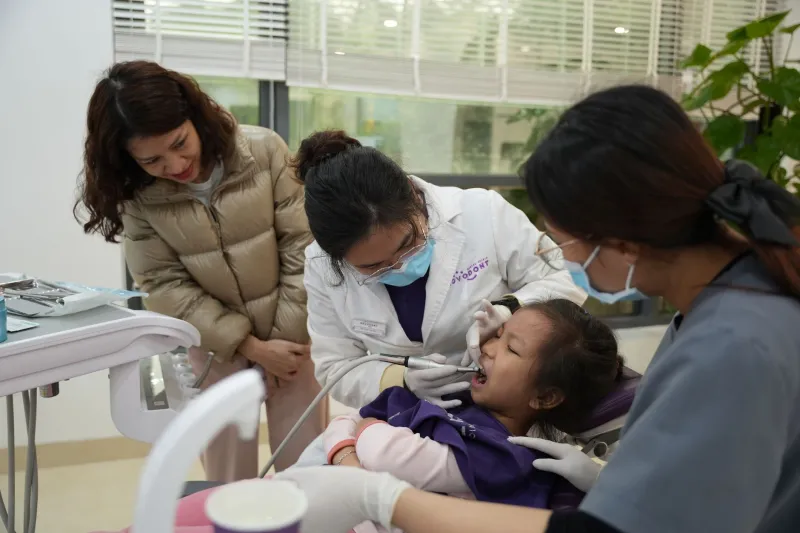
For very young children, the exam is often conducted with the child resting in the parent's lap — a setup sometimes called a "knee-to-knee" examination. The goal is to keep the child comfortable while giving the dentist a clear view of the mouth. The entire visit may last no more than fifteen to thirty minutes, but the information gathered and the habits established can have lasting value.
The Real Cost of Waiting
Early childhood caries — the clinical term for tooth decay in young children — is the most common chronic disease affecting American children, according to the Centers for Disease Control and Prevention. It affects children across all income levels and geographic regions, and it is largely preventable.
 Photo: Centers for Disease Control and Prevention, via img.ricardostatic.ch
When cavities develop in baby teeth, parents sometimes reason that treatment can wait because those teeth will eventually fall out anyway. This is a common misconception worth addressing directly. Baby teeth serve critical functions: they help children chew food properly, support clear speech development, and hold the space in the jaw that permanent teeth need to erupt correctly. When a primary tooth is lost prematurely due to decay or infection, neighboring teeth can shift, potentially leading to crowding, misalignment, and orthodontic concerns that require significant intervention later.
Beyond the structural implications, untreated dental pain in young children can affect sleep, appetite, concentration in school, and overall quality of life. Addressing small concerns early — before they escalate — is almost always less invasive, less expensive, and far less distressing for the child.
Building Comfort and Confidence From the Start
One of the most underappreciated benefits of early dental visits is the effect they have on a child's long-term relationship with oral healthcare. Children who are introduced to the dental environment gradually and positively — beginning with simple, low-stakes check-ups — are far more likely to maintain consistent dental care into adolescence and adulthood.
Dental anxiety is remarkably common among American adults, and research consistently links it to negative childhood experiences with dental care. Conversely, children who grow up viewing dental visits as routine and unremarkable are more likely to seek preventive care throughout their lives, which translates to better overall health outcomes.
At Pennwell Dental Group, creating a welcoming, calm environment for young patients is a priority. A child's first visit should feel like an introduction, not an ordeal.
Practical Steps for First-Time Parents
If your child is approaching their first birthday and has not yet seen a dentist, the following steps can help you prepare for a smooth first visit:
Schedule the appointment during a time when your child is typically rested and cooperative. Morning appointments often work well for younger children who may become fussy as the day progresses.
Avoid projecting anxiety. Children are perceptive, and a parent's nervous energy can signal to them that something uncomfortable is about to happen. Speak about the appointment in matter-of-fact, positive terms.
Begin basic oral hygiene at home now. Even before teeth appear, parents can gently wipe an infant's gums with a clean, damp cloth after feedings. Once teeth emerge, a soft-bristled infant toothbrush with a smear of fluoride toothpaste — roughly the size of a grain of rice — is appropriate.
Prepare a brief health history. The dental team will want to know about any medications your child takes, known allergies, and any concerns you have noticed about their teeth or gums.
Bring your questions. A first visit is as much about educating parents as it is about examining the child. No question is too small — from how to handle teething discomfort to when to expect the first tooth to fall out naturally.
A Partnership That Grows With Your Child
The relationship between a family and their dental provider is, ideally, a long-term one. Starting that relationship early — when the stakes are low and the appointments are brief — lays the groundwork for a partnership built on trust, familiarity, and consistent care.
At Pennwell Dental Group, we are committed to supporting families at every stage of the oral health journey, from a child's very first tooth to the comprehensive care needs of adults. If your child is due for their first dental visit, or if you simply have questions about what to expect, we encourage you to reach out. There is no better time to begin than now — because healthy smiles truly do start early.